
An effective inshore fishing rod setup is the foundation of success when targeting species in shallow coastal waters. Inshore fishing requires balance, sensitivity, and versatility, as anglers often face changing tides, varying depths, and multiple species in a single trip. From selecting the right rod to understanding how jig heads, plastic fishing lures, fishing corks, and a topwater lure fit into the system, every component plays a role.
This guide breaks down each element of an inshore fishing setup in a practical, easy to understand way. Whether you are refining your current gear or building a setup from scratch, understanding how these pieces work together can improve efficiency and on the water decision making.
Understanding Inshore Fishing Environments
Common Inshore Species
Inshore waters are home to species such as redfish, speckled trout, flounder, snook, and sheepshead. These fish often inhabit flats, marsh edges, oyster beds, and channels, requiring gear that allows accurate casts and controlled retrieves.
Water Conditions and Structure
Inshore fishing typically takes place in waters less than 20 feet deep. Wind, tides, and water clarity can change quickly, making adaptability essential. Shallow grass flats may require lightweight jig heads, while deeper channels call for slightly heavier terminal tackle.
How Environment Affects Gear Choices
The combination of shallow water and structure means anglers need an inshore fishing rod that offers sensitivity without sacrificing strength. Rod length, action, and line selection should all reflect the specific environment being fished.
Choosing the Right Inshore Fishing Rod
Rod Length and Casting Control
Most inshore fishing rods range from 6’6” to 7’6”. Shorter rods provide accuracy when casting around docks or mangroves, while longer rods improve casting distance across open flats.
Rod Power and Action Explained
Medium to medium heavy power rods are common for inshore use. Fast or extra fast action rods allow better hook sets and increased sensitivity, which is especially important when using plastic fishing lures.
Material Considerations
Graphite rods are popular due to their lightweight feel and responsiveness. Composite rods blend durability and sensitivity, making them useful for anglers who fish frequently around heavy structure.
Waterloo Rods in Inshore Applications
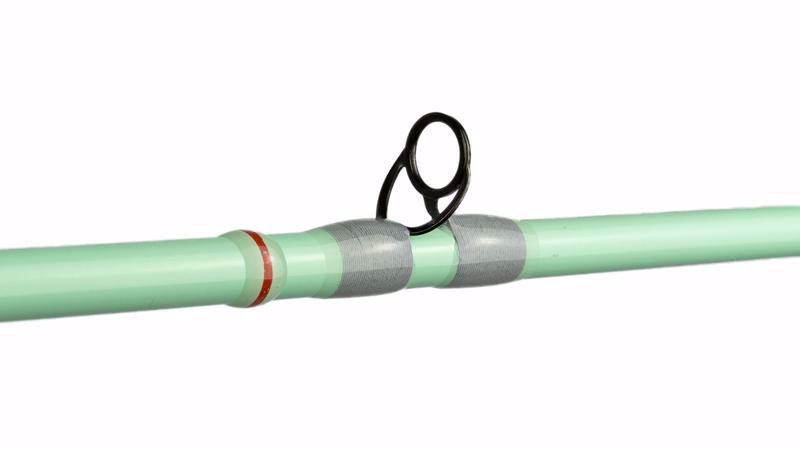
Waterloo rods are often referenced in inshore fishing discussions due to their sensitivity and balance. Their design aligns with the needs of anglers targeting shallow water species that require finesse presentations.
Matching the Rod with the Right Reel
Spinning vs Baitcasting Reels
Spinning reels are widely used in inshore fishing for their ease of use and ability to cast lightweight lures. Baitcasting reels offer precision and control but require more experience.
Gear Ratios and Line Capacity
A moderate gear ratio allows for versatile retrieves when switching between jig heads and a topwater lure. Adequate line capacity ensures confidence when fighting strong fish in current.
Saltwater Durability Considerations
Reels designed for saltwater environments feature corrosion resistant components. Rinsing reels after use extends their lifespan and maintains performance.
Selecting Fishing Line for Inshore Setups
Monofilament vs Braided Line
Braided line is popular for inshore fishing due to its strength and sensitivity. Monofilament remains useful for anglers who prefer stretch and ease of handling.
Fluorocarbon Leaders
Fluorocarbon leaders are often paired with braided mainline for abrasion resistance and reduced visibility in clear water.
Line Strength Recommendations
Line strength typically ranges from 10 to 20 pounds depending on target species and structure. Matching line strength to rod power ensures balanced performance.
Essential Inshore Terminal Tackle
Jig Heads and Their Applications
Jig heads are a cornerstone of inshore fishing. They allow plastic fishing lures to sink naturally and maintain contact with the bottom. Lighter jig heads work well in shallow flats, while heavier options are useful in deeper channels.
Hook Sizes and Styles
Choosing the correct hook size ensures proper lure action and solid hook sets. Wide gap hooks are common when rigging soft plastics.
Weights for Shallow and Deep Flats
Using the lightest jig head possible helps maintain a natural presentation. Adjust weight based on wind, current, and depth.
Using Plastic Fishing Lures Effectively
Soft Plastic Lure Types
Plastic fishing lures include paddle tails, shrimp imitations, and jerk shads. Each style mimics common inshore prey.
Color Selection Based on Water Clarity
Natural colors work well in clear water, while brighter colors improve visibility in murky conditions.
Rigging Techniques with Jig Heads
Proper rigging ensures the lure swims straight and maintains realistic movement. Misaligned lures reduce effectiveness.
When and How to Use a Topwater Lure
Ideal Conditions for Topwater Fishing
Calm mornings and low light conditions are ideal for topwater lure presentations. Surface strikes are often triggered by sound and movement.
Popular Retrieves and Techniques
Walk the dog and popping retrieves are common techniques. Varying retrieve speed helps determine fish preference.
Target Species for Topwater Presentations
Speckled trout and redfish are frequent targets when using a topwater lure in inshore waters.
Fishing Corks and Their Role in Inshore Fishing
How Fishing Corks Work
Fishing corks suspend lures at a fixed depth and create noise that attracts fish.
Pairing Corks with Plastic Fishing Lures
Plastic fishing lures paired with fishing corks imitate suspended prey and work well over grass flats.
Advantages in Shallow Water
Fishing corks help keep lures above vegetation while maintaining visibility for fish.
Complete Inshore Fishing Setup Comparison
Component | Shallow Flats Setup | Deeper Channel Setup |
Inshore Fishing Rod | 7’ Medium Fast | 7’ Medium Heavy Fast |
Line | 10 15 lb braid | 15 20 lb braid |
Jig Heads | 1/8 oz | 1/4 oz |
Lures | Plastic fishing lures | Plastic fishing lures |
Add Ons | Fishing corks | Topwater lure |
Common Mistakes in Inshore Fishing Setups
Many anglers overpower their setup, reducing sensitivity. Others mismatch jig heads and rod action, leading to poor lure control. Ignoring water conditions often results in inefficient presentations.
Care and Maintenance of Inshore Gear
Rinsing rods and reels after each trip removes salt buildup. Storing rods vertically prevents warping. Regular inspection of line and terminal tackle ensures consistent performance.
Conclusion
Building an effective inshore fishing setup requires understanding how each component works together. From selecting the right inshore fishing rod to pairing jig heads, fishing corks, plastic fishing lures, and a topwater lure, balance and adaptability are key. A thoughtful setup allows anglers to respond to changing conditions and fish behaviour with confidence.
For anglers looking to refine their inshore approach, Jeco’s Marine & Tackle provides resources and gear options aligned with coastal fishing needs. If you have questions about building your inshore fishing setup or selecting the right equipment, contact us .
Frequently Asked Questions
1.What length inshore fishing rod is best for beginners?
A 7 foot inshore fishing rod offers a balance of casting distance and control.
2.Are jig heads better than weighted hooks?
Jig heads provide consistent sink rates and are easier to adjust for depth.
3.When should I use fishing corks?
Fishing corks are ideal when fish are suspended or feeding above grass.
4.Do plastic fishing lures work year round?
Yes, plastic fishing lures can be effective in all seasons with proper presentation.
5.Is a topwater lure effective in windy conditions?
Topwater lures work best in calm conditions but can still produce strikes in light wind.